Vision
To establish an economically and socially empowered society.
A non-profit, non-political, voluntary organisation started by the youth of Kharposh in 1965.
The youth of Kharposh village saw the value of working together and formed "Yuwak Sangh" in 1965. In 1985, on the occasion of Youth Year, it was renamed Youth Welfare Committee.
Under the guidance of Dr. Abdul Karim, the group worked in the tribal areas of the Chhota Nagpur plateau. Concern over deforestation, soil erosion and rising poverty led it to become a formal organisation.
Today it works on water management, agriculture, livelihoods, health, education and women’s empowerment, in partnership with government departments and like-minded organisations.
Kharposh Public Library begins serving readers free of charge, irrespective of caste, creed or age.
The youth of Kharposh organise themselves as "Yuwak Sangh".
Renamed Youth Welfare Committee on the occasion of International Youth Year.
Kharposh High School opened in a remote area.
Registered under the Societies Registration Act XXI of 1860 (Govt. of Bihar, Regd. No. 26/87-88).
Opening order for Kharposh High School received from the Government of Bihar.
Re-registered in Jharkhand, Regd. No. 466/09-10, dated 15/10/2009.
To establish an economically and socially empowered society.
To create opportunity for socially deprived and economically exploited groups, and generate self-employment through various programmes so that society becomes self-reliant.
A just society where every person is respected and treated with dignity; where equality, fraternity and freedom are nurtured; where peace and harmony are maintained; and where people collectively shape their own destiny.
Our work focuses on tribal and backward communities, with equal attention to women, children, the elderly and youth.
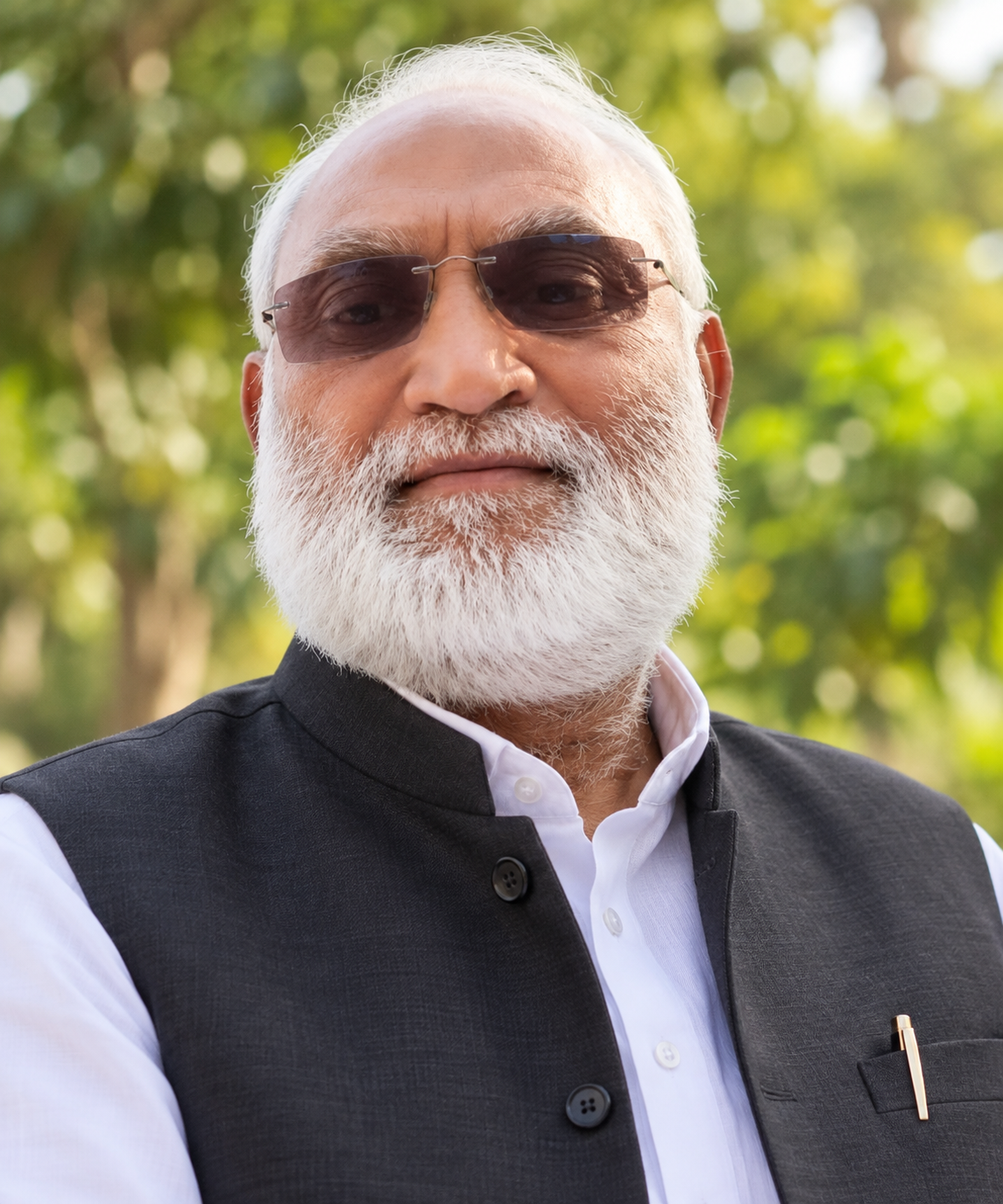
Founder Secretary-cum-Chief Executive. The Secretary-cum-Chief Executive runs the organisation’s day-to-day activities.
“Whatever we have achieved today is not because of one person but the entire team of YWC.”
The executive committee is constituted under the Societies Registration Act XXI of 1860. New activities and policies are adopted by unanimous decision in executive committee meetings.
| Name | Designation |
|---|---|
| Shree Gangadhar Nayak | President |
| Dr. Abdul Karim | Secretary |
| Shree Shrish Bagti | Joint Secretary |
| Shree Onkar Kalandi | Treasurer |
| Sajaid Ansari | Member |
| Shivshankar Kalandi | Member |
| Baijanti Nayak | Member |
Executive body members
Voting general members, who elect the executive
General members
Villages dominated by Scheduled Tribes, Scheduled Castes and backward classes, chosen for low employment, poor income, low literacy and environmental degradation.
During the COVID-19 lockdown, YWC staff and volunteers reached families in its operational area with dry ration kits (wheat flour, rice, pulses, oil, sugar, tea, salt), sanitary napkins, masks, sanitisers, safety information and a mobile health van.
YWC is 12A and 80G certified. You can give directly to the organisation’s account by bank transfer or UPI.